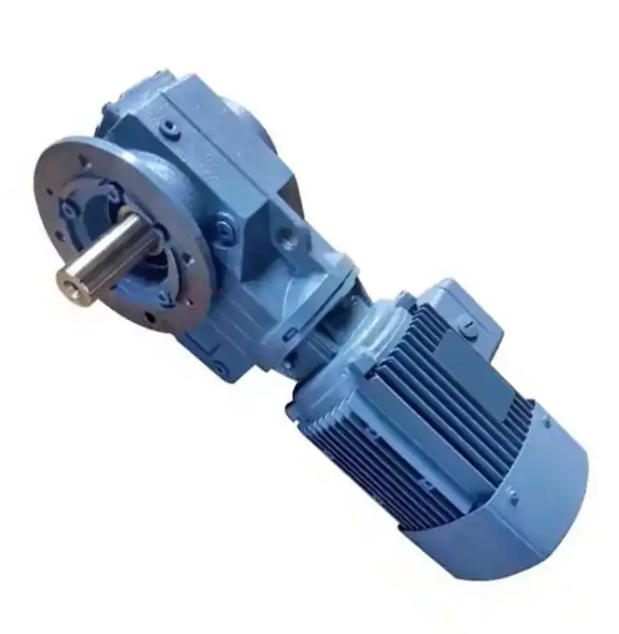
In the low-temperature environment of the S97 reducer, the sealing performance of the seals is easily reduced due to material shrinkage, hardening and other problems, which in turn causes lubricating oil leakage or the intrusion of external pollutants, affecting the stable operation of the equipment.
1. The main impact of low temperature on the seals of S97 reducer
1. The seal material shrinks, causing the sealing gap to increase
Rubber seals (such as nitrile rubber NBR, fluorine rubber FKM) will physically shrink at low temperatures. Especially when the ambient temperature is lower than -20°C, the matching gap between the sealing lip and the shaft may exceed the design range.
The increase in the gap will cause 'micro-leakage', and the lubricating oil will be squeezed out when the pressure changes, forming obvious oil leakage points after long-term operation.
2. Seals harden, lose elasticity, and accelerate wear
Low temperature reduces the mobility of rubber molecular chains, making the material harder and more brittle, and loses its original flexibility and resilience.
At the moment of startup, the rotation of the shaft produces impact friction on the hardened seal lip, which can easily cause scratches and cracks and shorten the seal life.
3. External water vapor intrudes, causing internal icing and lubrication failure
After the sealing performance decreases, the humid air from the outside enters the inside of the reducer, condenses into water droplets at low temperatures, and further freezes into ice.
Ice crystals may block oil passages, destroy oil films, and even interrupt gear and bearing lubrication, causing dry friction and early wear.
4. The breathing valve is blocked by ice, exacerbating the imbalance of pressure difference inside and outside the box
When the reducer is running, temperature changes cause internal air pressure fluctuations, and the pressure needs to be balanced through a breathing valve.
If the breathing valve sealing ring is not resistant to low temperatures or has insufficient protection, water vapor will freeze after entering, causing the valve body to become clogged, resulting in negative pressure inhalation of dust after shutdown or positive pressure to push open the seal during operation and fuel injection.